The Art of Crafting Your Dream Home: A Journey Through Home Architecture
Imagine stepping into a space that not only shelters you from the elements but also reflects your deepest aspirations, values, and style. This is the essence of crafting your dream home—an opportunity to transform abstract ideas into tangible, living art. Home architecture is more than just constructing walls and roofs; it is a deeply personal journey where each decision shapes the character of your sanctuary. Whether you’re designing a modern minimalist retreat or a cozy cottage nestled in the countryside, the process of creating a dream home is a blend of creativity, practicality, and emotional connection. This article explores the key phases and considerations of this transformative journey, guiding you through the intricate dance of form, function, and feeling.
Understanding Your Vision: The Foundation of Dream Home Architecture
Before laying the first brick or sketching the initial floor plan, it’s essential to anchor your project in a clear vision. Your dream home should resonate with your lifestyle, personality, and long-term goals. Start by asking yourself: What spaces make me feel most at home? Do I prioritize open living areas for family gatherings or quiet, secluded retreats for reflection? Are sustainability and eco-friendly materials non-negotiable, or do I lean toward bold, contemporary designs? Answering these questions helps define the architectural style and functional needs of your home.
Another critical step is gathering inspiration. Collect images, sketches, or even Pinterest boards that capture the aesthetic and emotional appeal you desire. Visit show homes, browse architectural magazines, or take walks in neighborhoods with homes you admire. These explorations will not only refine your vision but also communicate your preferences effectively to architects and designers. Remember, your dream home should tell your story, so allow your passions—whether for nature, art, or technology—to guide the process.
Collaborating with Professionals: Architects and Designers as Your Guides
While DIY projects can be fulfilling, crafting a dream home often requires the expertise of professionals who understand the science and artistry behind architecture. An architect or designer acts as your translator, converting abstract ideas into practical, buildable plans. When selecting a professional, prioritize those who listen more than they dictate. Look for a portfolio that aligns with your aesthetic and a communication style that makes you feel heard and understood.
During the design phase, expect a collaborative back-and-forth process. Architects will consider factors like site orientation, local building codes, and material availability while pushing the boundaries of your vision. Don’t hesitate to challenge conventional layouts—sometimes, the most innovative homes emerge from unconventional thinking. For example, a sloping site might inspire a split-level design with terraced gardens, or a small urban lot could lead to a vertical home with multiple floors optimized for space.
Budget and timeline are also key discussion points. A transparent conversation about costs upfront can prevent surprises later. While it’s tempting to splurge on high-end finishes, prioritize structural integrity and long-term value. A well-designed home built with quality materials will stand the test of time, both aesthetically and functionally.
Balancing Form and Function: The Anatomy of a Dream Home
A truly dream-worthy home seamlessly blends beauty with purpose. Every architectural element—from the placement of windows to the flow of hallways—should serve a dual role: enhancing visual appeal while improving livability. Here are some elements to consider when balancing form and function:
- Natural Light: Ample sunlight not only reduces energy costs but also elevates mood and productivity. Consider large windows, skylights, or glass doors to invite the outdoors in. In colder climates, south-facing windows maximize solar gain, while in warmer areas, strategically placed overhangs can provide shade without sacrificing light.
- Open-Plan Living: Modern lifestyles often favor open-concept spaces that encourage interaction. A combined kitchen, dining, and living area can make entertaining effortless, while flexible room layouts allow for multifunctional use. However, ensure there’s enough separation to define distinct zones, such as a quiet reading nook or a home office.
- Storage Solutions: Clutter undermines even the most stunning interiors. Incorporate built-in storage, hidden cabinets, or under-stair drawers to maintain a clean, organized aesthetic. Multi-purpose furniture, like ottomans with storage or Murphy beds, can also save space in smaller homes.
- Indoor-Outdoor Flow: Blurring the boundaries between interior and exterior spaces creates a sense of expansion. Sliding glass doors, patios, or courtyard gardens extend your living area and foster a connection with nature. Consider native landscaping to reduce maintenance and attract local wildlife.
- Sustainability: Eco-conscious design is no longer a trend but a necessity. Opt for energy-efficient appliances, solar panels, or passive heating and cooling systems. Materials like reclaimed wood, bamboo flooring, or recycled metal not only reduce environmental impact but also add unique character to your home.
Materials and Finishes: The Palette of Your Dream Home
The materials you choose set the tone for your home’s ambiance and durability. From rustic to refined, the options are endless, but each material carries its own story and maintenance requirements. Here’s a breakdown of popular choices across different categories:
- Flooring:
- Hardwood: Timeless and warm, hardwood floors add value to your home. Opt for sustainably sourced options like oak or reclaimed wood for an eco-friendly touch.
- Tile: Ideal for high-moisture areas like bathrooms and kitchens, tiles come in porcelain, ceramic, or natural stone. Patterns like herringbone or terrazzo can add artistic flair.
- Concrete: A modern favorite, polished concrete is durable and low-maintenance. It pairs well with minimalist or industrial designs and can be stained or stamped for customization.
- Vinyl or Laminate: Budget-friendly and versatile, these materials mimic the look of wood or stone. High-quality vinyl is waterproof, making it suitable for basements and bathrooms.
- Countertops:
- Quartz: Non-porous and low-maintenance, quartz offers a sleek, uniform appearance. It’s available in a wide range of colors and patterns.
- Granite: A natural stone with unique veining, granite is heat-resistant and durable. However, it requires periodic sealing.
- Butcher Block: Perfect for kitchens with a rustic or farmhouse aesthetic, wood countertops add warmth but need regular oiling to prevent drying.
- Solid Surface: Materials like Corian are seamless and customizable, allowing for integrated sinks and unique shapes.
- Wall Finishes:
- Drywall: The standard choice for a smooth, paintable surface. Textured drywall or Venetian plaster can add depth and character.
- Exposed Brick or Stone: Creates an industrial or rustic vibe. Consider using it as an accent wall or fireplace surround.
- Wallpaper: Offers endless patterns and textures. Modern wallpapers are durable and easy to apply, making them a great choice for feature walls.
- Paint: A versatile and cost-effective option. Matte, eggshell, or gloss finishes can dramatically alter the mood of a room.
When selecting materials, think beyond aesthetics. Consider longevity, maintenance, and how well they align with your lifestyle. For instance, a home with young children might benefit from scratch-resistant flooring, while a couple who loves to cook may prioritize durable, easy-to-clean countertops.
Navigating the Building Process: From Blueprint to Reality
Once your design is finalized, the building process begins—a phase filled with excitement, anticipation, and inevitable challenges. Effective project management is key to ensuring your dream home becomes a reality without unnecessary stress. Here’s a step-by-step guide to navigating this phase:
- Permits and Approvals: Before construction starts, secure all necessary permits from local authorities. This process can take time, so factor it into your timeline. Your architect or contractor can often handle this for you.
- Choosing a Contractor: Select a reputable contractor with experience in projects similar to yours. Ask for references, review past work, and ensure they are licensed and insured. A good contractor will provide a detailed contract outlining timelines, costs, and materials.
- Site Preparation: The construction site must be cleared, leveled, and marked. This phase may include demolishing an existing structure or preparing the foundation. Soil testing is crucial to determine the appropriate foundation type (slab, crawl space, or basement).
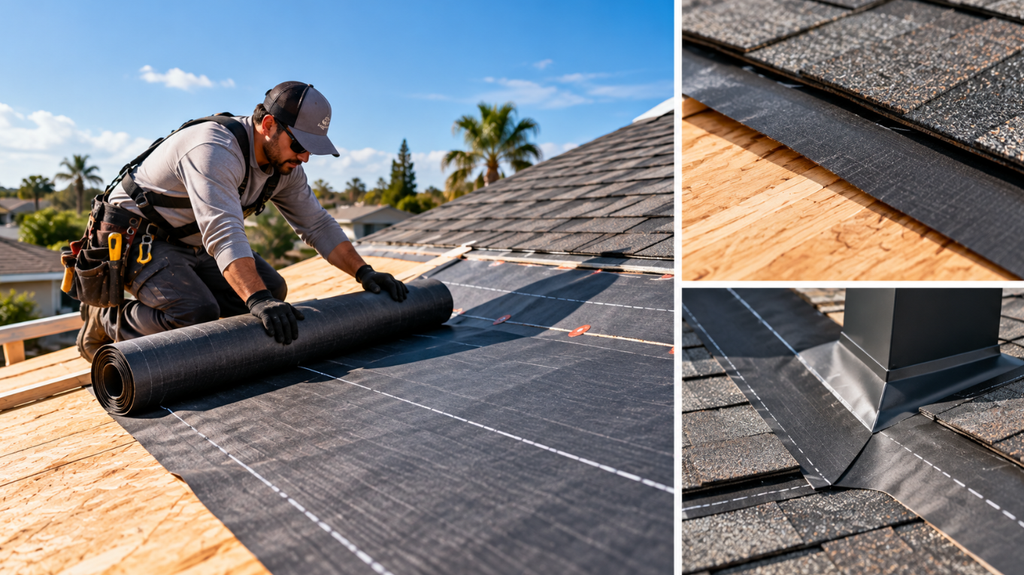
- Foundation and Framing: The foundation is the backbone of your home. It must be strong and level to support the entire structure. Framing follows, where the skeleton of the house—walls, floors, and roof—takes shape. This stage is where your home starts to look like the design on paper.
- Rough-In Work: Before walls are closed up, essential systems like plumbing, electrical wiring, and HVAC are installed. This is a critical phase where mistakes can be costly, so inspections are typically required before proceeding.
- Insulation and Drywall: Insulation ensures energy efficiency and comfort. Drywall is then hung and finished, creating smooth surfaces ready for painting or other finishes.
- Interior Finishes: This is where the magic happens. Flooring, cabinetry, countertops, and fixtures are installed. Interior doors, trim, and paint are added, bringing your home’s personality to life.
- Final Touches: Landscaping, driveway paving, and exterior lighting are completed. Interior touches like artwork, furniture, and decor personalize the space. A final walkthrough with your contractor ensures everything meets your expectations.
Throughout the process, maintain open communication with your contractor. Regular site visits and progress updates can help catch issues early. Keep a project journal or digital folder to track decisions, receipts, and warranties. Patience is essential—construction rarely goes exactly as planned, but the reward is a home uniquely yours.
Personalizing Your Space: The Final Layer of Your Dream Home
A home is only as dreamy as the life it nurtures within its walls. Personalization transforms a house into a home, infusing it with your essence. This goes beyond selecting paint colors or furniture; it’s about creating spaces that evoke emotion and facilitate your daily rituals. Here are some ways to add personality to your dream home:
- Art and Decor: Artwork, sculptures, or photographs tell a story about who you are. Commission a local artist to create a custom piece, or display travel souvenirs that hold special meaning. Don’t overlook the impact of mirrors—they can make spaces feel larger and reflect light beautifully.
- Textiles and Soft Furnishings: Rugs, curtains, throw pillows, and blankets add warmth and texture. Choose fabrics that invite touch, like chunky knits or smooth linen. Patterns and colors can tie a room together or serve as a bold statement.
- Custom Joinery and Built-Ins: Bespoke cabinetry, bookshelves, or window seats maximize functionality while showcasing craftsmanship. For example, a built-in window seat with storage can double as a cozy reading nook and a place to stash blankets.
- Lighting Design: Lighting sets the mood and highlights architectural features. Layer different types of lighting—ambient (general), task (functional), and accent (decorative)—to create depth. Consider statement fixtures like a chandelier or pendant light to serve as focal points.
- Scent and Sound: The sensory experience of a home is often overlooked. A signature scent, whether from candles, diffusers, or fresh flowers, can make your home feel inviting. Similarly, background music or nature sounds can enhance relaxation or productivity.
- Smart Home Technology: Integrate technology that aligns with your lifestyle. Smart thermostats, lighting systems, or security cameras can improve convenience and efficiency. For tech enthusiasts, a home automation system can control everything from the blinds to the entertainment system with a single voice command.
Don’t rush this phase. The personal touches you add over time will evolve as your life does. A home should grow with you, adapting to new hobbies, family dynamics, or phases of life. Allow your home to be a living, breathing entity that reflects the chapters of your story.
Overcoming Challenges: When the Journey Gets Tough
No dream home project is without its hurdles. Budget overruns, construction delays, or design flaws can test even the most patient homeowners. The key to overcoming these challenges lies in preparation, flexibility, and resilience. Here are some strategies to navigate common obstacles:
- Budget Management: Set a realistic budget from the outset, allocating a contingency fund (typically 10-20%) for unexpected expenses. Prioritize where you spend—kitchen and bathroom upgrades often yield the highest return on investment. Avoid impulse purchases; stick to your original plan as closely as possible.
- Design Adjustments: Sometimes, a design idea doesn’t translate well in practice. If you encounter a problem, such as poor natural light or awkward room flow, work with your architect to brainstorm solutions. Virtual reality or 3D modeling can help visualize changes before implementation.
- Construction Delays: Weather, material shortages, or labor issues can disrupt timelines. Build buffer time into your schedule and maintain open communication with your contractor. If delays are unavoidable, use the extra time to finalize selections or prepare for move-in.
- Quality Control: Not all contractors deliver the same level of craftsmanship. Inspect work at each stage, and don’t hesitate to request corrections for subpar workmanship. Photos and detailed notes can help resolve disputes if issues arise later.
- Emotional Resilience: The building process can be emotionally taxing. It’s normal to feel overwhelmed or second-guess decisions. Surround yourself with a support system—friends, family, or even an online community of fellow homeowners—to share experiences and advice.
Remember, the challenges you face are temporary, but the home you create will last a lifetime. Keeping your vision in sight provides the motivation to push through even the toughest moments.
Sustainable and Future-Proofing: Designing for Tomorrow
Your dream home should not only meet your current needs but also adapt to future changes. Sustainable design and future-proofing are about creating a home that is energy-efficient, resilient, and flexible. Here’s how to incorporate these principles into your architecture:
- Energy Efficiency:
- Install high-performance windows and insulation to reduce heating and cooling costs.
- Choose energy-star-rated appliances and LED lighting to lower electricity consumption.
- Consider passive solar design—positioning windows to maximize sunlight in winter and minimize it in summer.
- Renewable Energy:
- Solar panels can significantly cut energy bills and reduce your carbon footprint. Battery storage systems allow you to store excess energy for use during peak times or power outages.
- Geothermal heating and cooling systems use the earth’s stable temperature to regulate indoor climate efficiently.
- Water Conservation:
- Low-flow fixtures in bathrooms and kitchens reduce water usage without sacrificing performance.
- Install a rainwater harvesting system for irrigation or even toilet flushing.
- Drought-resistant landscaping (xeriscaping) minimizes water needs while maintaining curb appeal.
- Adaptable Design:
- Create multi-functional spaces that can evolve with your needs. For example, a home office can double as a guest bedroom with a Murphy bed.
- Design wider doorways and hallways to accommodate future mobility needs or accessibility requirements.
- Consider modular furniture or expandable room layouts for growing families or changing lifestyles.
- Resilient Materials:
- Choose materials that can withstand natural disasters, such as impact-resistant windows for hurricane-prone areas or fire-resistant roofing for wildfire zones.
- Use durable, low-maintenance materials like fiber cement siding or metal roofing to reduce long-term upkeep.
Future-proofing your home ensures it remains a sanctuary for years to come, regardless of how your life or the world changes. It’s an investment in peace of mind and sustainability.
The Reward: Moving Into Your Dream Home
The moment you step into your completed dream home, all the effort, patience, and creativity converge into a profound sense of achievement. It’s more than just a place to live; it’s a reflection of your aspirations, a testament to your vision, and a sanctuary tailored to your needs. As you unpack the last box or arrange your favorite books on a custom shelf, take a moment to savor the journey—the late-night design discussions, the site visits, and the moments of doubt that ultimately led to this milestone.
Your dream home is a living canvas, one that will continue to evolve as you do. It will host laughter, tears, celebrations, and quiet moments of solitude. It will witness the growth of your family, the pursuit of your passions, and the creation of memories that will last a lifetime. The art of crafting your dream home is not just about construction; it’s about curating a space that nurtures your soul and inspires your spirit every single day.
So, as you embark on this journey, remember that the process is as important as the destination. Embrace the challenges, celebrate the milestones, and trust in your ability to create something extraordinary. Your dream home awaits—one thoughtful decision at a time.